Amarillo, TX
Garage Door Opener Repair in Amarillo
Motor runs, door does nothing? That is a stripped nylon gear, and a gear kit is a part rather than a new opener. We diagnose before we sell.

Motor runs, door does nothing? That is a stripped nylon gear, and a gear kit is a part rather than a new opener. We diagnose before we sell.
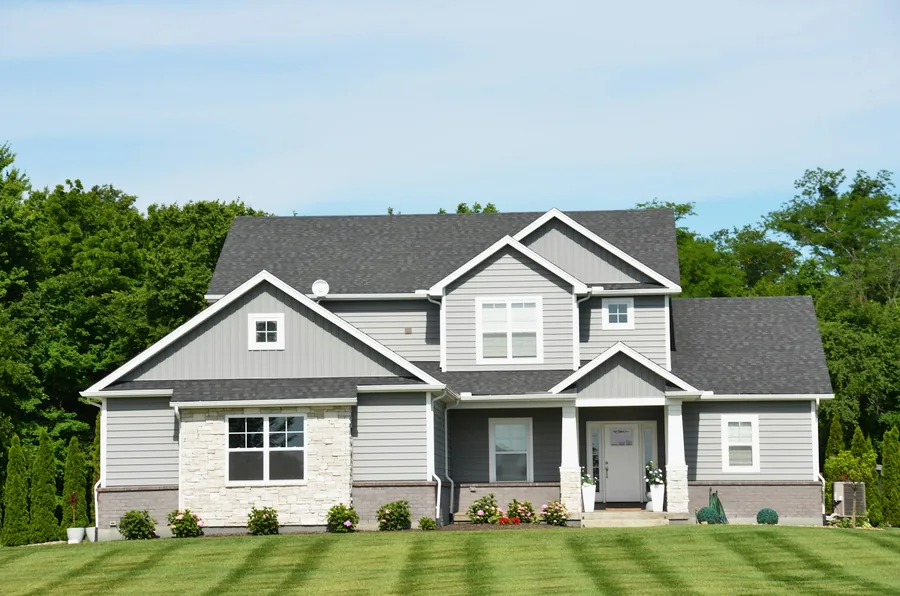
When a opener that will not run happens in Amarillo it happens without warning. The parts that fail are the ones under constant load, and they give out on an ordinary morning rather than during a storm. Across Potter County the pattern is consistent: wind-driven grit and hail, with deep winter cold, and brick ranches with attached garages on wide lots take the worst of it.
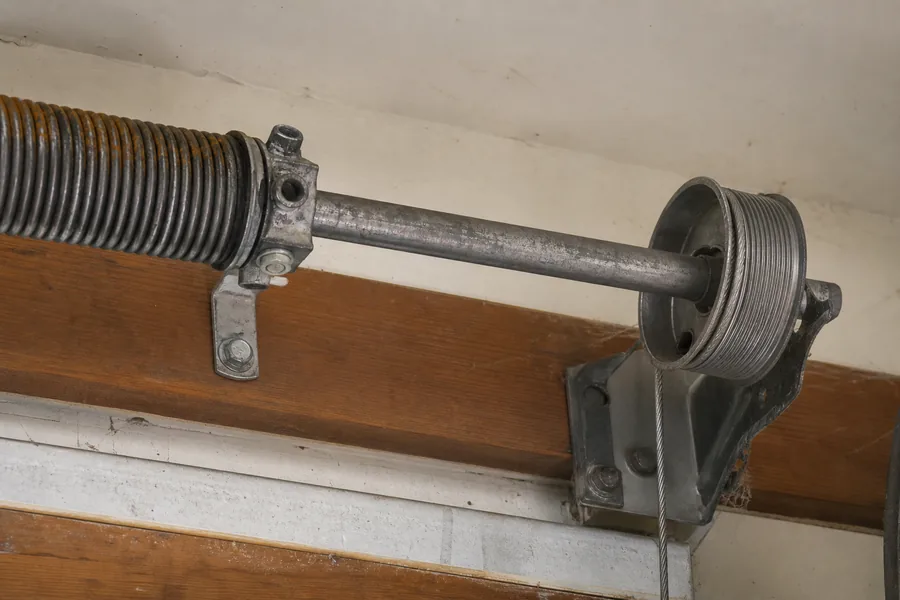
An opener does not lift anything. It positions a door that the spring has already made weightless, and holds it where it is put. The motor turns a worm which drives a nylon gear, and that gear is soft on purpose - engineered to be the first thing to fail, because a stripped gear is an afternoon and a burned-out motor or a bracket torn off a door is not.
Amarillo, Canyon, Bushland, Borger and the rest of Potter County are all inside the normal radius. The visit costs nothing, the written estimate costs nothing, and the price is fixed before a tool comes out.
The tell is a mismatch between sound and movement. Press the button, the motor runs at completely normal pitch for its usual few seconds, and the door does not twitch. That is the gear, stripped, and a gear kit is a small fraction of a new opener. Look up at the rail: the trolley is not moving either.
If any of that matches, a technician can diagnose it on site in about ten minutes. We do not guess at it down the phone, and we do not charge to look.
It does not, and this misunderstanding costs people openers. The spring carries the weight; the opener only moves a weightless door along its travel. An opener that is straining is telling you the spring is wrong, and replacing the opener will not fix it.
Four faults cover most opener call-outs: photo eyes out of line, a stripped drive gear, a drifted limit switch, and a failed board. Three of those are a part and an hour. We tell you which one it is before you spend anything.
Frequency and rolling-code generation both matter. A modern Security+ 2.0 remote will not pair with a 1990s 315MHz head, and vice versa. Read us the model number off the back of the motor unit and we will bring the right one.
None of that is unique to Amarillo. It is simply what happens when a door is quoted over the phone by somebody who has not seen it, and it is the reason we do not give prices before a technician has stood in front of the door.
People put this off, and it is worth being straight about where that goes. None of the following is unusual - it is the ordinary sequence, and we see it in Amarillo every week.
The visit and the written estimate are free, so finding out where you stand costs you nothing at all. That is the whole reason to call early rather than late.
Wind-driven grit and hail, with deep winter cold. Put that against a mechanism made of wound steel, galvanized cable and nylon bearings and the outcome is not mysterious.
Corrosion is the quiet one. A spring that has picked up surface rust has lost section where the rust sits, and stress concentrates exactly there. It does not squeak or warn you - it simply fails earlier than its cycle count says it should.
Temperature is the loud one. Steel is a little less forgiving cold than warm, so a spring at the end of its life picks the coldest morning of the month to go. That is why the phone in Potter County rings hardest before eight.
Neither is a reason to buy a different door. It is a reason to service the one you have before the season that will break it, and to size the replacement parts for Amarillo rather than for a catalog.
Twice a year is the standard advice, and it is nearly right. What matters more in Amarillo is which two times.
Do the first one before the cold arrives, because that is when springs, cables and the bottom seal are tested hardest. Lubricate the hinges, the roller stems and the spring coils, and check the balance by hand.
Do the second after the worst of the weather has passed, because that is when the damage is done and still simple to put right - a track knocked out of true, a hinge with an elongated hole, a seal that has stopped sealing.
Wind-driven grit and hail, with deep winter cold means neither visit is optional here in the way it might be somewhere milder.
Twelve to fifteen years is a fair run for a chain drive, and a belt drive is similar but far quieter about it. What shortens that is rarely age. An opener that has spent a year hauling on a spring that had gone soft has been doing several times its design work every single cycle, and the part that pays for that is a nylon gear.
Most opener faults are one of four things: the safety eyes out of alignment, a stripped drive gear, a failed logic board, or a limit switch that has drifted. Three of those are a part costing far less than a new opener and an hour of labor. We tell you which one it is before you spend anything.
Past fifteen years with a dead board, replacement is usually the honest advice. A current head is quieter, has rolling-code security instead of a fixed code anyone can capture, and arrives with its own warranty. We would rather say that than sell you a board for a unit that has months left.
The difference between a job finished today and a job finished on Thursday is almost always whether the right part was on the van when it arrived. So the van is loaded for what Amarillo actually breaks rather than for a national average.
Springs in the common sizes, lift cables, drums, rollers, hinges, brackets, opener gear kits, remotes, safety sensors and weather seal all travel with the technician. Panels and complete doors are ordered, and we tell you that at the estimate rather than on the day.
It is also why the description you give on the phone matters. Tell us what the door is doing, what it sounds like, whether it is a single or a double and roughly how old it is, and the van leaves already carrying the answer.
Most of what shortens a door's life in Amarillo is preventable, and none of it takes long.
Twice a year, put a lithium or silicone garage door lubricant on the hinges, the roller stems and the spring coils. Not WD-40, which is a solvent and strips what is already there, and not grease on the track, which collects grit and makes it worse.
Once a year, test the balance. Close the door, pull the release cord, and lift it by hand to waist height. A correctly balanced door stays where you put it. If it drops or climbs, the spring is out and the opener is carrying weight it should not be.
Every few months, test the safety reversal. Lay something solid flat under the door and close it. It should touch, stop and go back up.
There is no call center between you and the technician. The number on this page reaches somebody who can book the van, and the man who turns up is the one who quoted the work.
That matters more than it sounds. The national dispatch model sells your details on to whoever bids for them, which is why nobody on that line can tell you who is coming, when, or what they will find.
We work Amarillo and the towns around it - Canyon, Bushland, Borger - every day. It is a small enough area that doing the job properly is the only way to keep working in it.
The question behind 'do you work on my brand' is really 'will you have the part'. For everything below the answer in Potter County is yes, either on the van or within a day.
| Brand | Notes |
|---|---|
| Genie | Screw-drive and belt-drive heads. Intellicode remotes and carriage assemblies are the usual failure points, and both are parts rather than a reason to change the opener. |
| Craftsman | Built on Chamberlain internals for most of their production run, so the gear kits and boards are shared and readily available. |
| Clopay | The most common door brand we work on. Panels, hinges and struts are orderable individually, so one damaged section does not mean a whole door. |
| LiftMaster / Chamberlain | The same units under two names. Gear kits, logic boards and Security+ 2.0 remotes are stocked, and the older 315MHz heads can still be paired. |
| Sommer / Marantec | Less common here, direct-drive heads, and the parts have to be ordered - so we confirm the model before the van is loaded. |
| Wayne Dalton | The TorqueMaster counterbalance is a spring inside the tube rather than on it, and it needs its own tools and its own parts. We carry them. |
The model number is usually on a sticker on the side or the back of the opener head, and on a plate inside the top section of the door. Read it out when you call and the van leaves with the right parts.
If the opener is over fifteen years old and the board has gone, replacing it is usually the honest advice - a modern head is quieter, has a rolling code remote, and comes with its own warranty. We will say so plainly rather than selling you a board for a unit that is finished.
If a spring or cable has failed, no. Leave it down and do not force it. The counterbalance holds a great deal of stored energy and it can let go without warning.
No. The visit and the written estimate are free anywhere in Potter County. You pay only if you agree the price and we do the work.
Most garage door opener repair jobs are finished within the same visit, typically under two hours.
Yes - Canyon, Bushland, Borger and the wider Potter County area are all inside our normal service radius.
Yes - LiftMaster, Chamberlain, Genie, Craftsman, Clopay, Amarr, Wayne Dalton and the rest. The mechanisms are common across brands and we carry parts for all of them.
There is no pressure attached to the call. Plenty of people ring to find out whether something is urgent, get told it is not, and book for next week. That is a perfectly good outcome and it costs nothing.
If it is urgent - a door standing open, or a car shut in - say so and it moves to the front of the list. Amarillo, Potter County and the towns around it.
Tell us what the door is doing and we will give you a real arrival window. The visit and the written estimate cost nothing, anywhere in Potter County.
Prefer to talk it through? Call (806) 545-9374.
One flat bang overnight and the door will not lift. The spring is what cancels the door's weight, and when it goes the opener cannot take over.
What this costs and how fast →One corner dropped and the panel is out of the channel. Stop running the opener - each attempt drags more hinges and track out of line.
What this costs and how fast →One cable slack, one taut, and the door sitting crooked. Cables carry the door's whole weight to the spring, so this one does not wait.
What this costs and how fast →A straight answer on the phone about whether it really needs somebody tonight, and the same parts and labor rates as a Tuesday morning.
What this costs and how fast →Rot or rust across more than one section, or repairs arriving more than once a year. At that point you are buying a door in installments.
What this costs and how fast →